
A Visual Guide To The US Pulses
KNOW YOUR PULSES
The US Pulses deliver the protein, versatility, and shelf life that African markets demand. Get to know each type and discover where they fit in your product line, if they are a right fit for your market or check how these fiber-packed powerhouses to your meals.
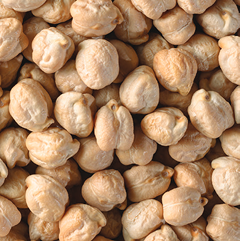
Chickpeas
More than just hummus. Add them to curries, toss into grain bowls, or roast for a crispy, crunchy snack.
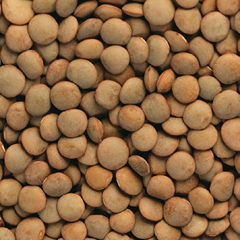
Lentils
Quick to cook and packed with protein. Ideal for soups, salads, or hearty pasta sauces.
(Cicer Arietinum)
Chickpeas
Also known as garbanzo beans, chickpeas are round, beige-colored pulses with a mild, nutty flavor and firm texture. Across Africa, they’re a staple in stews, couscous dishes, roasted snacks, and street food. Valued for their ability to hold shape and absorb bold spices and flavors.
Rich in plant-based protein, dietary fiber, and essential vitamins, chickpeas are available dried or canned and require soaking when used dry. Their versatility and long shelf life make them ideal for both home cooking and commercial food production across the continent.
-
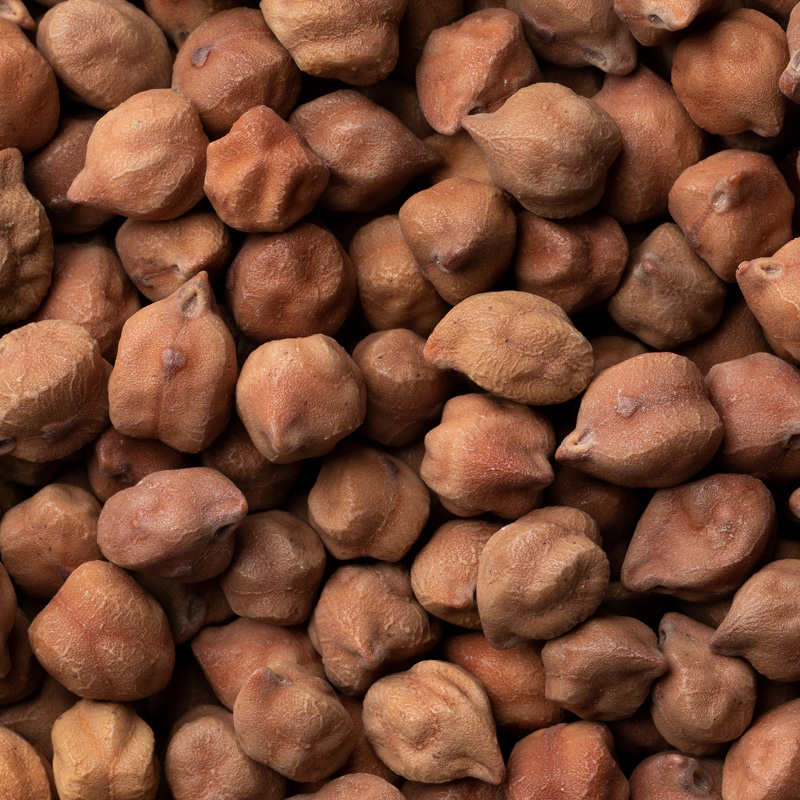
Chickpea, Desi
Common Names
Bengal Gram, Chana
-
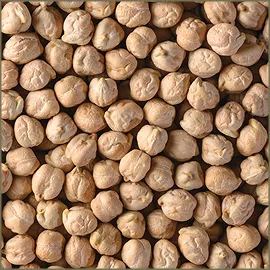
Chickpea, Kabuli
Common Names
Garbanzo Beans, Bengal Gram, Pois Chiche, Kabuli Chana



(Lens Culinaris)
Lentils
Lentils are small, lens-shaped pulses available in green, red, brown, and black varieties. With a mild, earthy flavor and quick cooking time (no soaking required), they’re one of the most practical pulses for African kitchens and commercial food production.
Red lentils break down into smooth, hearty bases perfect for sauces and porridges, while green and brown varieties hold their shape in stews, curries, and grain dishes. Rich in plant-based protein, dietary fiber, and essential vitamins, lentils are easy to store, transport, and prepare; making them a reliable ingredient for home cooks, foodservice operators, and manufacturers alike.
-
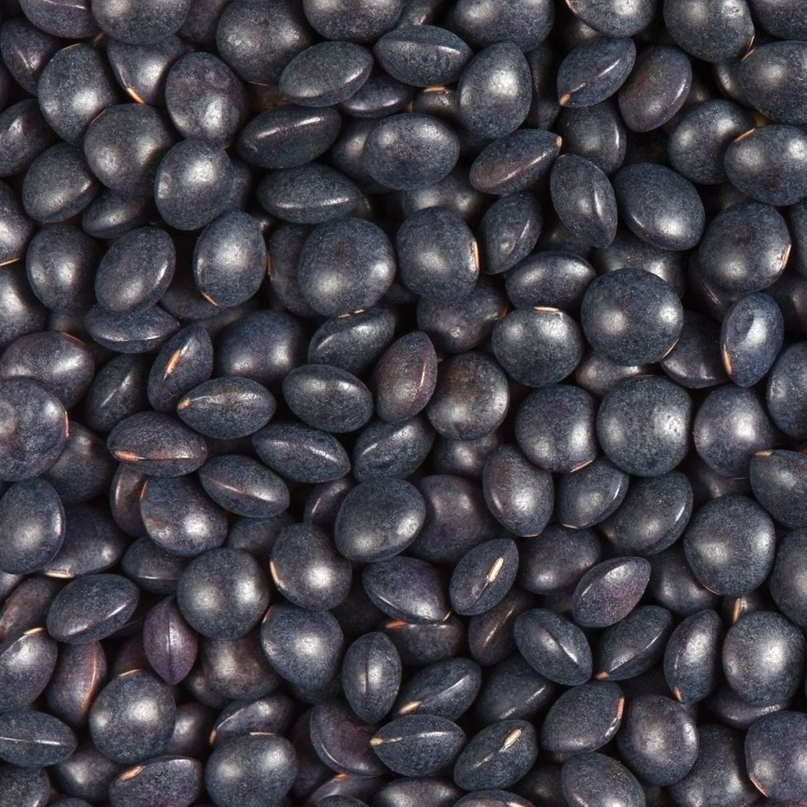
Beluga Lentils
Common Names
Black Lentils, Indianhead Lentils,
Lentilles noires, Beluga -
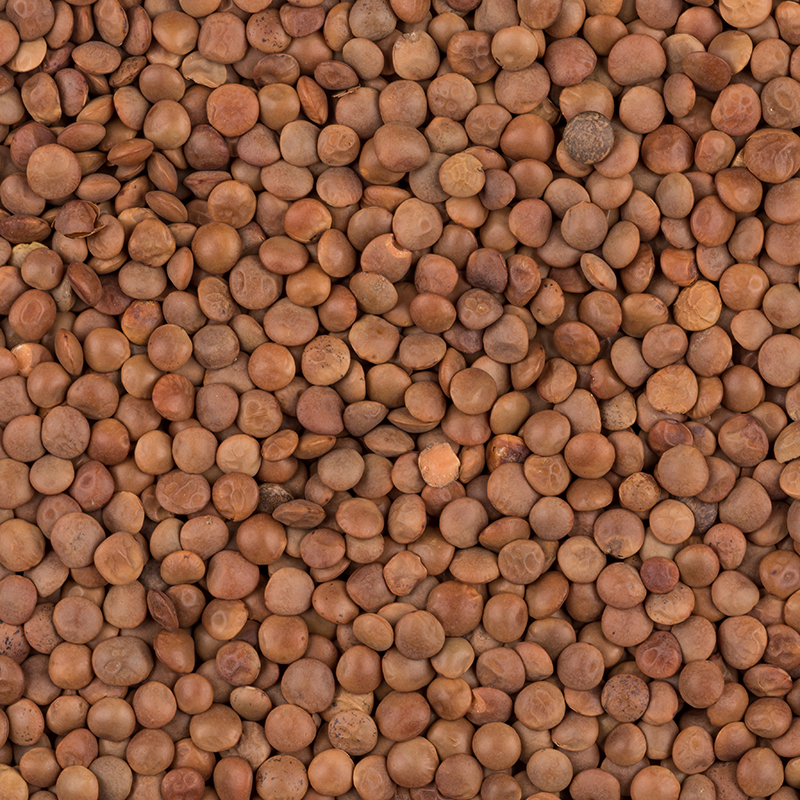
Brown Lentils
Common Names
Sabut Masoor
-
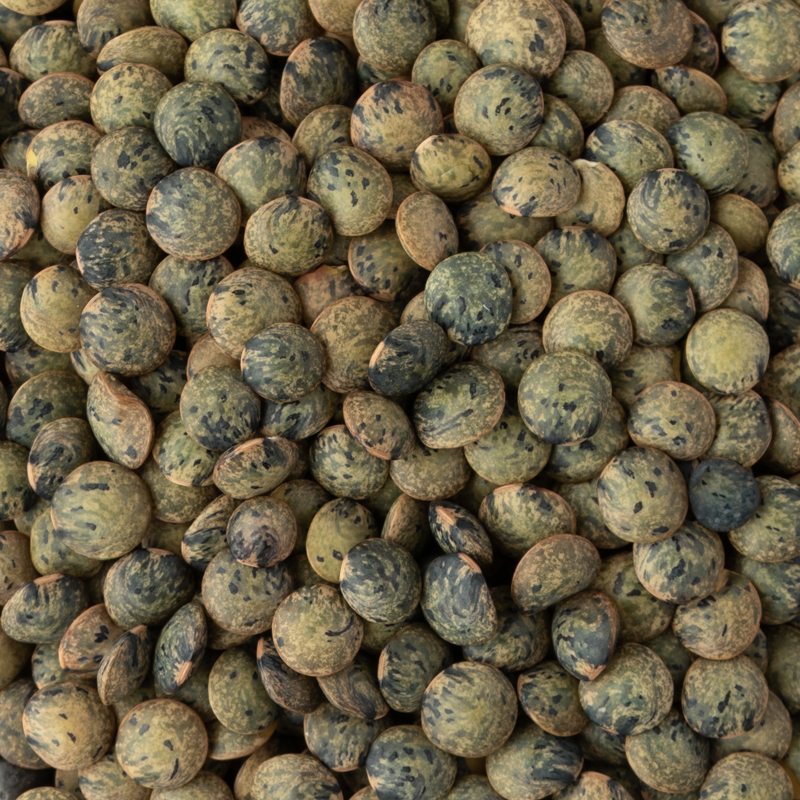
French Green Lentils
Common Names
Lentilles Vertes
-
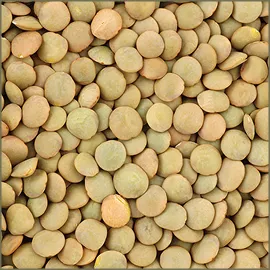
Green Lentils
Common Names
-
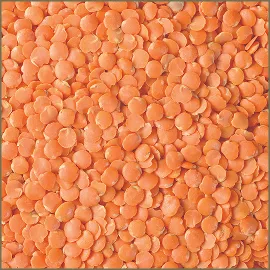
Red Lentils (Split)
Common Names
Masoor Dal
-
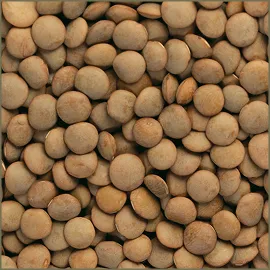
Red Lentils (Whole)
Common Names
Lentilles Corail
-
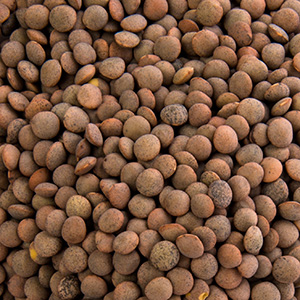
Pardina Lentils
Common Names
Spanish Brown Lenitils, Lenteja Pardina,
Brown Lentils, Small Brown Lentils


(Pisum Sativum)
Dry Peas
Dry peas are mature seeds harvested from the pea plant and dried for long-term storage. Available in yellow and green varieties: whole or split, they have a mild, earthy flavor and soft texture when cooked.
Split peas cook quickly without soaking, making them ideal for thick soups, porridges, and purees that are staples across African meals. Whole peas hold up well in stews and mixed grain dishes. Their consistent quality, long shelf life, and high protein and fiber content make dry peas a dependable ingredient for home kitchens, foodservice menus, and large-scale food manufacturing across Africa.
-
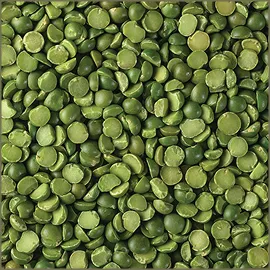
Green Peas (Split)
Common Names
Split Green Peas
-
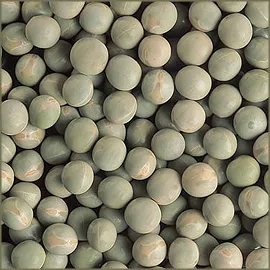
Green Peas (Whole)
Common Names
Dried Green Peas, Whole Dried Peas,
Green Vata/Matar -
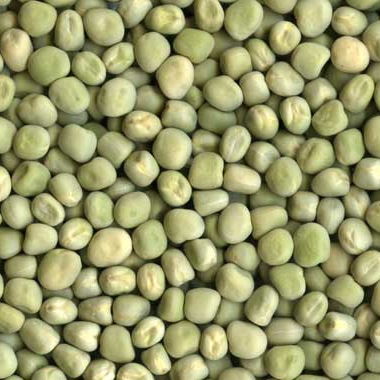
Marrowfat Peas
Common Names
Maro
-
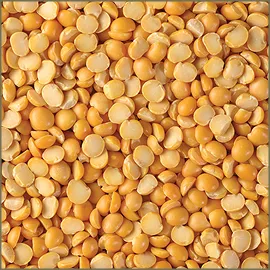
Yellow Peas (Split)
Common Names
Split Yellow Peas
-
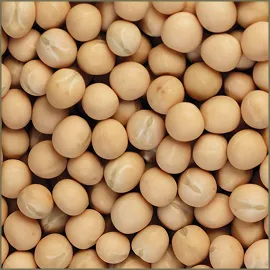
Yellow Peas (Whole)
Common Names
Yellow Field Peas, Whole Yellow Peas,
Yellow Vatana, Matar


(Phaseolus Vulgaris)
Dry beans
Dry beans are mature legume seeds dried for long-term storage and use. They come in a wide range of varieties: black beans, pinto beans, kidney beans, and navy beans. Each with distinct flavors and textures suited to different dishes.
Across Africa, dry beans are a dietary cornerstone, used in stews, soups, rice dishes, and street food. Most varieties require soaking before cooking, with times varying by type. Affordable, protein-rich, and high in fiber, they offer the nutritional value, shelf stability, and versatility that African households, foodservice operators, and food manufacturers depend on.
-
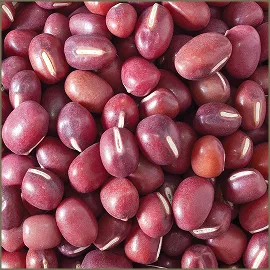
Adzuki Beans
Common Names
Red Mung Bean, Haricot Adzuki
-
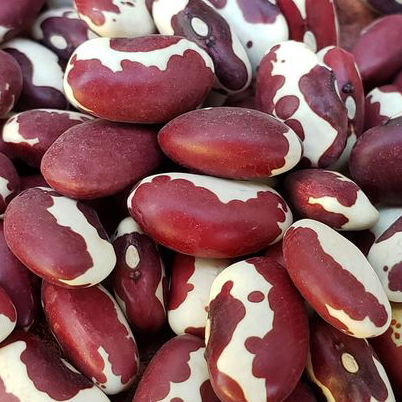
Anasazi Beans
Common Names
Aztec Bean, Cave Bean, New Mexico, Appaloosa Bean
-
Appaloosa Beans
Common Names
-
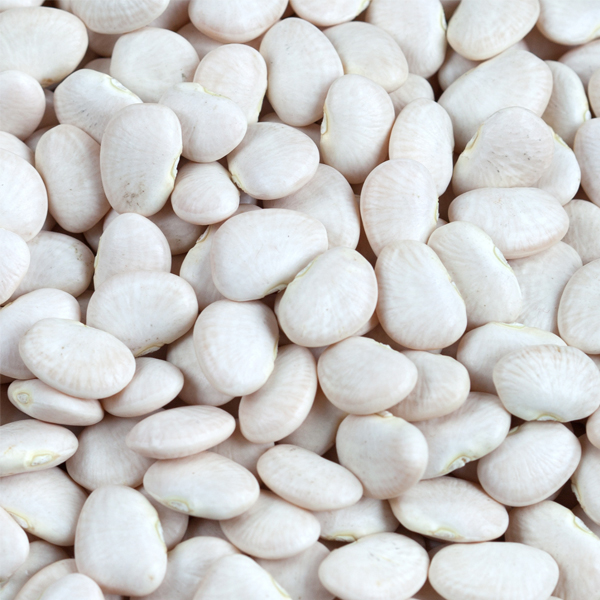
Baby Lima Beans
Common Names
Sieva Beans, Haricot Lima
-

Black Turtle Beans
Common Names
Caraotas Negras, Tampico Beans, Haricot Mungo à Grain Noir
-
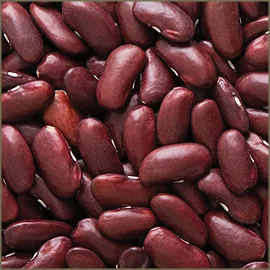
Dark Red Kidney Beans
Common Names
Rajma, Surkh Lobia
-
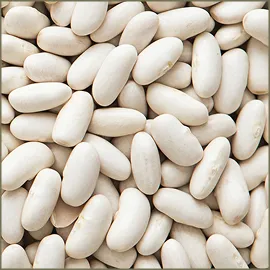
Great Northern Beans
Common Names
Large White Beans
-
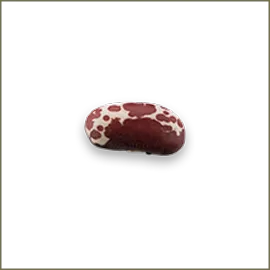
Jacob’s Cattle Trout Beans
Common Names
Large White Bean, Jacob’s Cattle Bean, Trout Beans, Coach Dog Bean, Dalmation Bean, Torellen Bean
-

Large Faba Beans
Common Names
Fava Beans, Field Beans, Horse Beans, Windsor Beans, Broad Beans
-
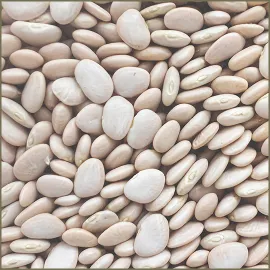
Large Lima Beans
Common Names
Butter Beans, Haricot Lima
-
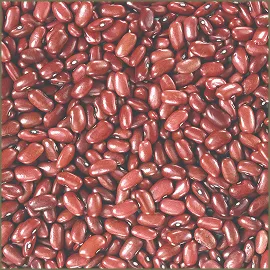
Light Red Kidney Beans
Common Names
Zaragoza, Rajma
-

Mung Beans
Common Names
Green Gram , Moong Beans, Mudga, Haricot Mungo
-
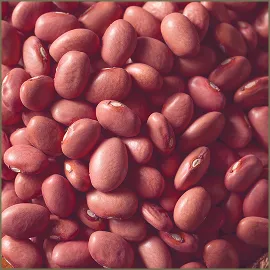
Pink Beans
Common Names
Habichuelas Rosadas, Coco Rose
-
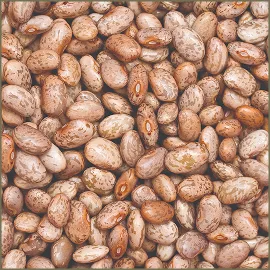
Pinto Beans
Common Names
Feijão Carioca , Poroto Frutilla, Frijol Pinto, Haricot Pinto
-
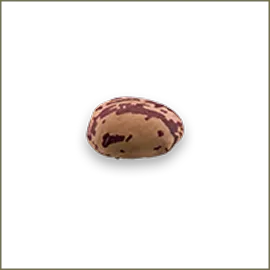
Romano Beans
Common Names
Borlotti/Borlotto, Cargamanto, Cranberry, Saluggia beans, Rosecoco, Haricot Romain, Haricot Marbré
-
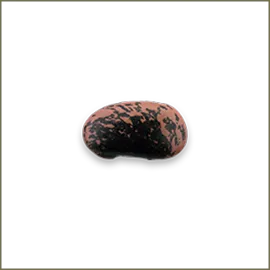
Scarlet Runner Beans
Common Names
Runner Beans, Multiflora Beans, Haricot d’Espagne
-
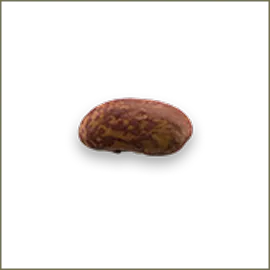
Tongue of Fire
Common Names
Borlotto Lingua di Fuoco
-
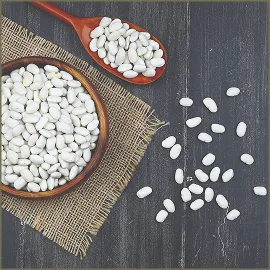
White Kidney Beans
Common Names
Alubia, Cannellini, Haricot Blanc, Lingot Mogette, Coco Flageolet
-

White Navy Beans
Common Names
White Pea Bean, Pea Bean, Pearl Haricot


Request a Quote
Partner with USA Pulses Africa hub
The USA Pulses Africa Hub is the local representative brand of USA Pulses on the continent. We serve as the central coordination point for any needs from any country across the continent, connecting officers with direct supplier networks.
Direct procurement line: usa.pulses@lixcap.com
Cooking Pulses Is Easier Than You Think:
Prepare Pulses
- Soak (optional): Most dry pulses benefit from soaking to speed up cooking.
- Rinse: Always rinse before cooking to remove any dust or debris.
- Simmer: Add to water or broth, bring to a boil, then simmer until tender.
- Quick tip: Canned pulses are fully cooked—just rinse and use!
Explore techniques like sprouting, pressure cooking, or blending into dips for even more versatility.